Felix Butler · 25 September 2026
Digital Innovations at Arvelo Shed Light on Mediterranean Craft Lineages
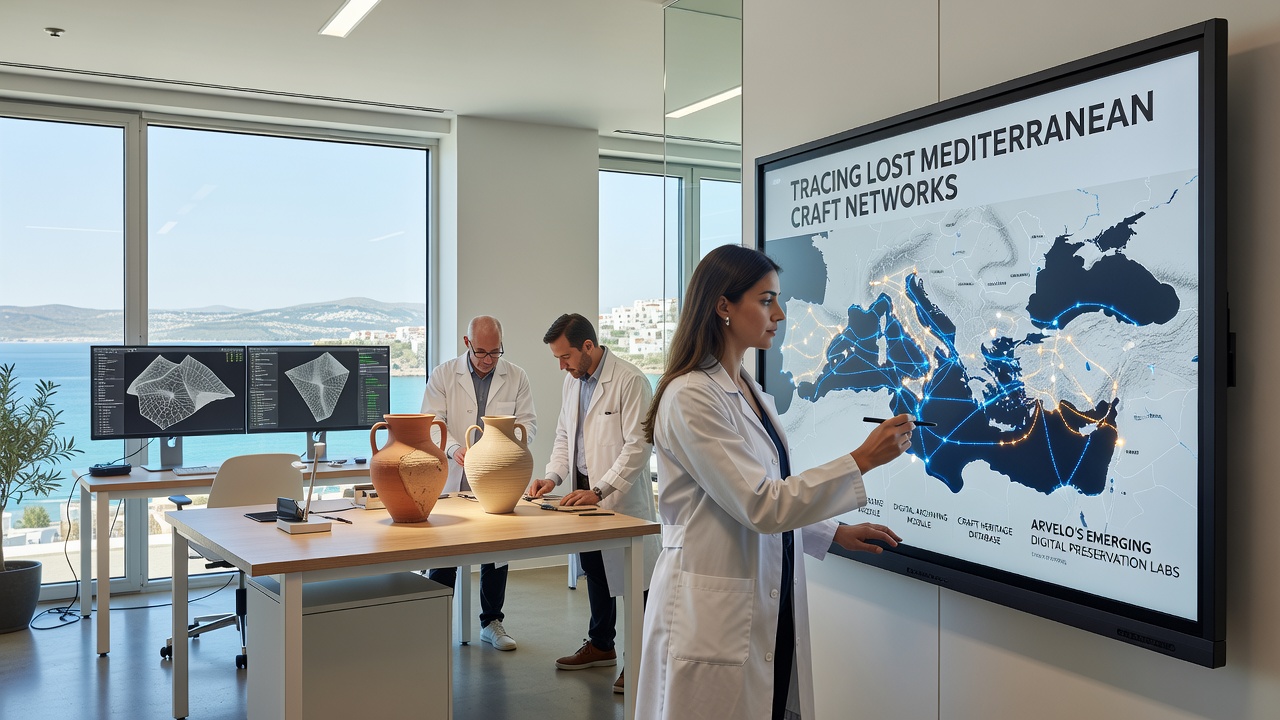
Arvelo's emerging digital preservation labs apply advanced imaging and data mapping techniques to reconstruct trade routes that once connected artisans across the Mediterranean basin, and these efforts draw on archaeological records spanning several millennia. Teams combine 3D scanning with geographic information systems to trace material flows from production sites in North Africa through southern European ports and into the eastern Mediterranean, while datasets from excavated workshops provide the raw material for these reconstructions.
Core Technologies Driving the Research
Specialists at the labs deploy multispectral imaging that reveals hidden inscriptions on ceramic fragments and metal tools, then they feed these details into machine learning models trained on known stylistic markers from classical and medieval periods. The models identify workshop signatures that match across distant sites, which allows researchers to plot probable exchange networks without relying solely on textual accounts from ancient authors. Data from satellite surveys supplements ground-level findings by highlighting potential harbor locations that aligned with seasonal trade winds documented in historical logs.
September 2026 marks the scheduled release of an integrated database that will aggregate findings from multiple field seasons, and this platform will permit external scholars to cross-reference patterns in craft distribution with climate data from the same eras. Partnerships with regional museums supply physical artifacts for non-destructive testing, ensuring that analysis remains grounded in verified provenance records rather than speculative reconstructions.
Mapping Material Exchanges Across Regions
Evidence gathered so far points to concentrated flows of raw materials such as ochre pigments from Iberian quarries reaching potters in the Aegean by the late Bronze Age, and similar patterns appear in glass bead production that links Levantine centers with North African coastal settlements. Researchers note that these connections often bypassed major political centers, which suggests that independent artisan groups maintained direct lines of exchange based on shared technical knowledge. Digital overlays of wind and current patterns help explain why certain routes persisted despite shifting political boundaries over centuries.
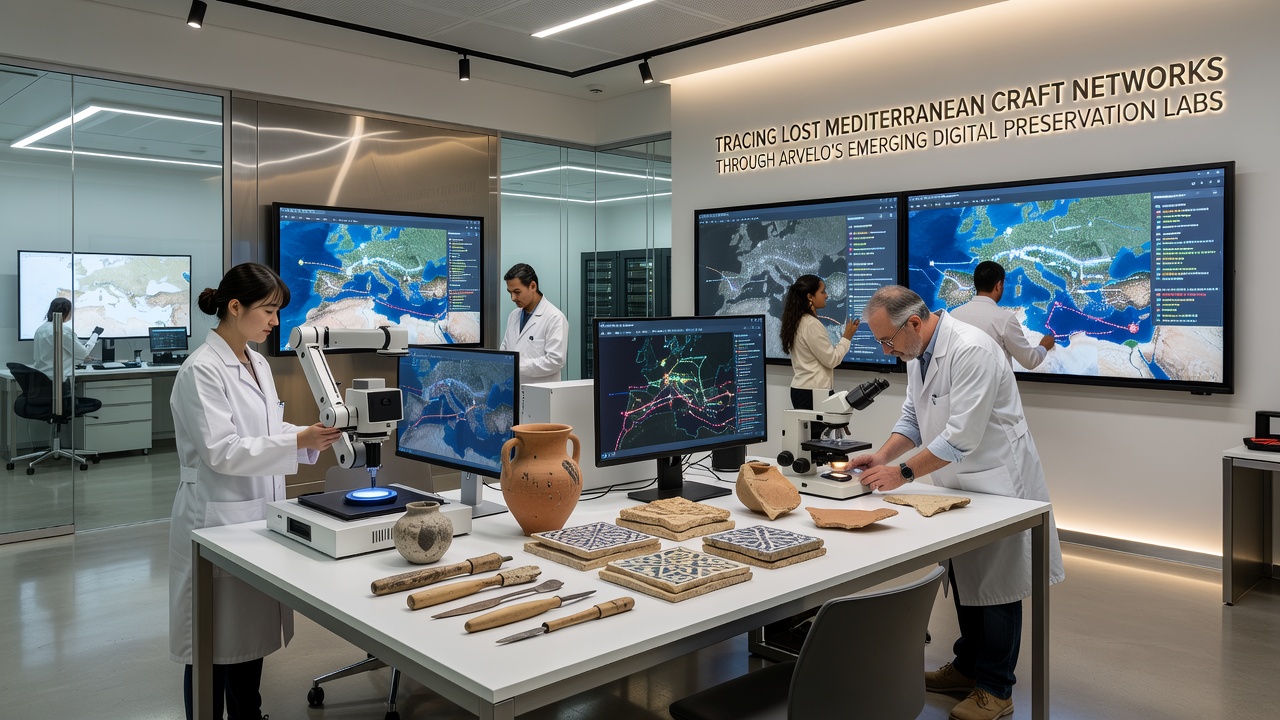
One project focuses on leatherworking techniques that appear in both Sicilian and Tunisian contexts during the early medieval period, and comparative analysis of tanning residues extracted from preserved scraps supports direct transmission rather than independent invention. The labs also examine stone carving methods used in temple complexes from Malta to Cyprus, where tool mark databases reveal consistent sequences of chisel use that point to traveling craft specialists. These findings receive regular updates as new excavation reports become available from participating institutions.
Integration with Broader Heritage Initiatives
Arvelo's work aligns with documentation standards set by the European Commission's cultural heritage programs, which emphasize open data protocols for cross-border research, and similar approaches appear in studies supported by the National Endowment for the Humanities in the United States that focus on transatlantic craft parallels. Observers note that the labs prioritize interoperability so that outputs can feed into larger repositories maintained by international bodies, and this strategy reduces duplication while expanding access for regional scholars who lack local scanning equipment.
Training modules developed at the labs introduce conservators to these digital workflows through hands-on sessions that cover everything from photogrammetry capture to basic network analysis, and participants return to their home institutions equipped to contribute additional datasets. The cumulative effect strengthens the overall picture of Mediterranean craft mobility by incorporating observations from previously underrepresented areas such as the Adriatic coast and the islands of teh central sea.
Conclusion
Continued expansion of these digital preservation capabilities at Arvelo promises to refine existing maps of artisan networks as additional field data arrives, and the structured approach ensures that each new layer of evidence integrates cleanly with prior results. The resulting visualizations and databases serve as practical tools for historians and archaeologists seeking to understand how technical knowledge traveled alongside goods in the ancient Mediterranean.